• About Etz Ahaim
    • About Rabbi Tal
    • Becoming a Member
    • Contact Us
    • Our History and Heritage
    • Our Stain Glass Windows
    • Sisterhood
    • Rabbi's Column
    • Yeshiva Midrash David
    • Rabbi Tal's Videos
    • Events
    • News
    • Weekly Bulletin
  • Kiddush
    • Join or Renew
    • Update Member Information
    • Make a Payment on Your Balance
    • Join Our Mailing List
    • Join Our WhatsApp Group
    • Yahrzeit Updates
    • Mazel Tovs and Announcements
    • Refuah Shelema
  • Hanukkah
  • Volunteer
    • Donate Now
    • Make a Payment on Your Balance
    • Other Donations
    • Rabbi's Charity Fund
    • The Raritan Valley Orthodox Jewish Association
    • Other Congregations
    • Jewish Schools
    • Highland Park/New Brunswick Eruv
    • Information on Mikvahs
    • Bikur Cholim of Raritan Valley
    • Kosher Establishments
    • Shatnez Testing
    • Minyan Map
    • Shiurim
    • Local Gemachs
    • Other Resources
Menu

Congregation Etz Ahaim - Sephardic

  • About
    • About Etz Ahaim
    • About Rabbi Tal
    • Becoming a Member
    • Contact Us
    • Our History and Heritage
    • Our Stain Glass Windows
    • Sisterhood
  • Learning
    • Rabbi's Column
    • Yeshiva Midrash David
    • Rabbi Tal's Videos
  • News
    • Events
    • News
    • Weekly Bulletin
  • Kiddush
  • Membership
    • Join or Renew
    • Update Member Information
    • Make a Payment on Your Balance
    • Join Our Mailing List
    • Join Our WhatsApp Group
    • Yahrzeit Updates
    • Mazel Tovs and Announcements
    • Refuah Shelema
  • Hanukkah
  • Volunteer
  • Donate
    • Donate Now
    • Make a Payment on Your Balance
    • Other Donations
    • Rabbi's Charity Fund
  • Community
    • The Raritan Valley Orthodox Jewish Association
    • Other Congregations
    • Jewish Schools
    • Highland Park/New Brunswick Eruv
    • Information on Mikvahs
    • Bikur Cholim of Raritan Valley
    • Kosher Establishments
    • Shatnez Testing
    • Minyan Map
    • Shiurim
    • Local Gemachs
    • Other Resources

Weekly Bulletin Archive


Search Our Webpage

No results found

What Does Halacha Say About Voting in America's Midterm Elections?

November 03, 2026 in Question

Halacha does not name a party or a candidate. It does give principles for how a Jew should think about voting — and about choosing leaders in general.

Respect the country you live in

The Talmud teaches dina de-malkhuta dina — the law of the land is law. The Mishnah in Pirkei Avot 3:2 says to pray for the welfare of the government, because without order, people would swallow each other alive. The prophet Jeremiah (29:7) tells the Jews in exile to seek the welfare of the city where they live.

For many rabbis, voting is part of that: gratitude to a country that allows Jewish life, and responsibility for its future.

Choose leaders by character, not only by party

The Torah's model for a leader is in Devarim 17:15: "You shall surely appoint a king over you." The commentators explain that a leader should be God-fearing, honest, just, and concerned for the weak.

Devarim 1:17 adds a rule for judgment itself: do not show favoritism, listen to the small and the great alike. A voter, in this view, should ask: Who is honest? Who will protect life, safety, and religious freedom? Who will judge fairly and care for the community?

Voting is a way to protect the community

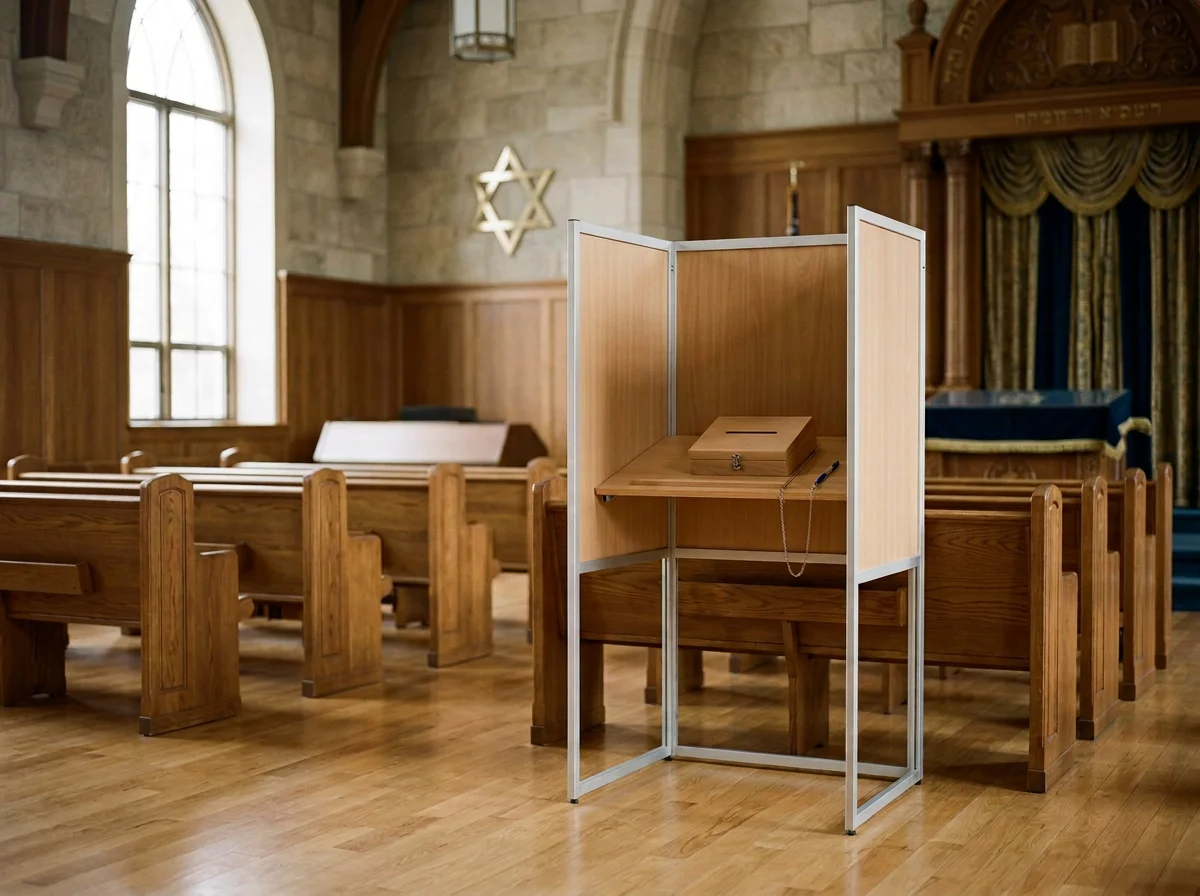
Midterm elections do not choose a president, but they choose Congress, governors, state legislators, mayors, school boards, and sheriffs. Those offices decide much of daily life: public safety, schools, taxes, zoning for synagogues and schools, and religious liberty.

Halacha does not forbid voting in a non-Jewish government. In fact, most contemporary rabbis across the Orthodox world encourage it — not as a technical mitzvah in itself, but as a practical way to do good, prevent harm, and stand up for the Jewish community and for the wider society.

In short, Halacha does not tell you whom to vote for. It tells you how to vote: thoughtfully, honestly, and with the welfare of your city, your country, and your community in mind.

← Question of the Week: Beit Medrash or Sactuary?Parshat Vayeira — The Well in Be'er Sheva →
Back to Top