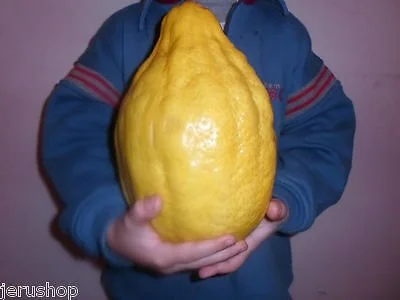
How to Choose an Etrog

Grafted Etrogim

According to the majority of Poskim a grafted etrog is not kosher for the mitzvah at all. So much so, that if one says a beracha on it, the beracha is in vain. Therefore, every store needs to have certification showing that their etrogim are not grafted.

The certification also needs to show that terumot and maasrot were taken from these etrogim, and that they are not orlah (from a tree in its first 3 years).

There are three ways to identify a grafted etrog.

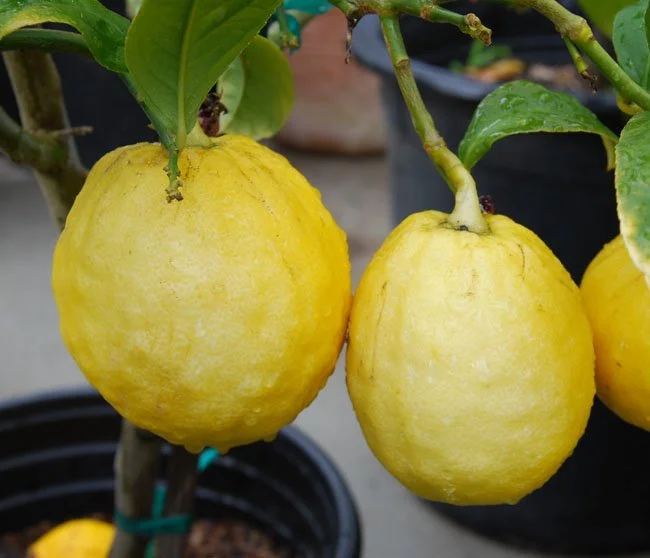
  1. Grafted etrogim are smooth. Kosher etrogim should have a bumpy surface.

  2. Grafted etrogim have the stem sticking out. Kosher etrogim should have recessed stems.

  3. Grafted etrogim have thin and juicy peels. Kosher etrogim have much dryer, thicker peels.

Etrog Which is Missing a Part of the Fruit

If a part of the etrog is missing, it cannot be used on the first day of Sukkot. Likewise, if the etrog has been punctured, and a part of the fruit was removed because of this puncture, it is unfit for use for the mitzvah.

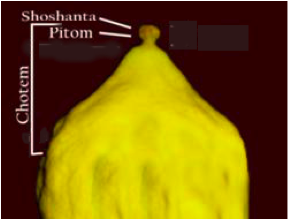
Some etrogim grow with an external pitam (the thin protrusion at the bottom of the etrog). If it fell off entirely, it is unfit for use for the mitzvah. But if the shoshanta falls off (the crown-like piece on top of the pitam), it is still kosher.

If the stem at the top of the etrog that connected it to the tree is broken off, it is unfit for use for the first day of Sukkot.

The Yemenite etrogim grow without an external pitam, and despite this they are kosher to use for the mitzvah.

Black Spots on the Etrog

Wrong Color and Black Spots

A black or white dot that is found on the top section of the etrog (from where it starts to narrow) disqualifies the etrog for the first day of Sukkot. But for Ashkenazim it is disqualified all of Sukkot. Black spots also disqualify it if they are found on the pitam. The reason is because people usually look at the top of the etrog, so it must be clean.

If the dot was found below the place where the etrog narrows, it is kosher even for the first day of Sukkot. But if there are two or more dots, Sepharadim disqualifies it for all of Sukkot. For Ashkenazim it is kosher for use for the mitzvah, unless dots are found on both the top and the bottom parts of the etrog.

Only black and white dots that are part of the etrog, and can't be removed through cleaning the etrog, disqualify it. Any other color of dots is permissible.

Many times there are leaves attached to the etrog (bletlach). Those leaves do not disqualify the etrog, as long as one cannot feel that the leaf is sticking out from the surface of the etrog. The majority of etrogim in our days that have these leaves do not stick out from the surface of the etrog, and are therefore kosher to use lechat’hila.

The Color of the Etrog

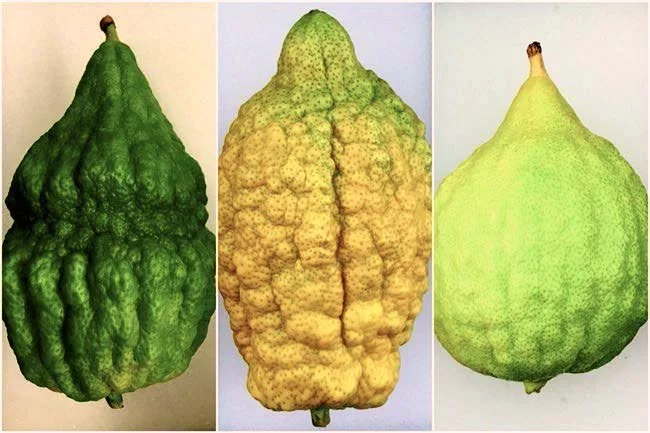
The best color is yellow or gold all over the etrog. Light green is kosher lechat’hila. A dark green color that is the same shade as grass is disqualified.

The Shape of the Etrog

Etrogs that are too round

The shape of the etrog needs to be wide in the middle, and narrow as it gets to the top. The pitam needs to be opposite the stem, but if it is not it is still kosher – it is just not the choicest etrog. The etrog cannot be round like a ball.


Weight of an Etrog

Definitely a big enough etrog

A kosher etrog needs to weigh at least 100 grams of 3 ½ ounces. The etrog can be bigger, even if you would need to carry it on your shoulder. The overwhelming majority of etrogim in the market are the normal weight.

A dry etrog from last year may not be used, but if it was placed in a freezer it can be checked with a needle with a string attached to it. If the needle is pushed in and the string comes out wet, one can use that etrog.

When the Shofar is Silent and Shabbat Speaks - Rosh Hashanah that Falls on Shabbat

Gemara Rosh Hashanah - Any Year That They Do Not Blow at its Beginning

It is stated in the Gemara Rosh Hashanah (16b): Rabbi Yitzchak said, any year that they do not blow [the shofar] at its beginning, they wail at its end. [Some explain "mar'ian" as from the language of "ra" - that something bad will happen, and some explain it from the language of "yari'u" - that they will cry out with the shofar because something bad will happen].

And the Ba'al Halachot Gedolot explained that this is not referring to when Rosh Hashanah falls on Shabbat, but rather to when an accident happened [and he could not blow]. That is, Rabbi Yitzchak's words do not refer to a case where Rosh Hashanah falls on Shabbat when it is forbidden by law to blow the shofar, but rather to a case where an accident occurred and he could not blow the shofar.

And the Taz (Siman 585, seif katan 7) asks, why should they wail at its end if it was an accident? Do we not have a principle that "Anus Rachmana Patrei" - the Merciful One exempts one who was forced?

Explanation of the Law of Ones - Shvut Yaakov and Mahari"l

And this can be resolved based on what is written in the Shvut Yaakov (Vol. 2, Siman 10, and brought in Kehillat Yaakov Algazi, Siman 88, s.v. Ones) that this [that anus is exempt] is only in an unusual accident, but in a common accident where if he had been diligent in the mitzvah he could have guarded against the accident, we do not say so. See there. And according to this, here too we can explain the words of Rabbi Yitzchak in this manner - that he was forced by a severe accident that he could have been careful about.

However, the Mahari"l disagrees and apparently holds that even in such an accident where he should have been diligent, they still do not wail at its end, but rather that which they wail at its end is in a case of intentional neglect, but if it was nullified due to an accident, no evil will befall them, and this is not like the words of the Behag.

The Foundation of the Meshech Chochmah - The Shofar as a Remedy and its Abolition as an Akedah

And the Meshech Chochmah (Parshat Emor) implies that in every type of accident they do wail at its end, for he wrote that despite the well-known rule that "Anus Rachmana Patrei" and there is no punishment for an accident, nevertheless, blowing the shofar is like a medicine against the prosecution of the Satan, and when there is no medicine, even due to an accident, the reality is that it is impossible to cure the disease. And if so, how is there a remedy for the blow of the Satan's prosecution on Rosh Hashanah that falls on Shabbat?

And the Meshech Chochmah explains that the matter of the blowing and how it helps to protect the Jewish people on Rosh Hashanah is that the blowings remind us of the Akedah, and included in this is also all that the Jewish people have given their lives throughout the generations for the sake of His blessed Name, for this power of self-sacrifice we inherited from the self-sacrifice of Yitzchak at the Akedah. And contained in this is also what Jews bind their desires and lusts upon the altar of love for Hashem.

And it is known, continues Rabbi Meir Simcha, that the Jewish people and Hashem are like two lovers, where each one is concerned for the honor of the other more than for his own honor, and if so, when Chazal decreed against the shofar on Shabbat, the Jewish people were concerned for the honor of Hashem, lest, Heaven forbid, the severe mitzvah of Shabbat be harmed, and even though withholding the blowing of the shofar could bring, Heaven forbid, danger to the Jewish people in that they would lack the remedy against the prosecution of the Satan, nevertheless they were concerned for the honor of Heaven and were not concerned for their own danger. And if so, this self-sacrifice constitutes a spiritual Akedah and a merit for the Jewish people no less than the blowing of the shofar, and through this it nullifies the power of prosecution. See there.

And similar to this wrote the Imrei Emet zt"l, that the joy and the cherishing of the mitzvah itself seals the mouth of the Satan.

The Words of the Minchat Ani - Is Rosh Hashanah on Shabbat a Good Sign?

And it is impossible to speak about this topic without mentioning the book Minchat Ani (Parshat Ha'azinu) by the author of the Aruch LaNer, who wrote that the worst years and the best years that were in history were when their Rosh Hashanah fell on Shabbat, and therefore we must investigate whether it is a good sign when Rosh Hashanah falls on Shabbat or not.

And of course this does not relate to what Chazal said in the Gemara Rosh Hashanah - And Rabbi Yitzchak said any year that they do not blow at its beginning they wail at its end etc., for Tosafot already wrote in the name of the Behag that the intention is not that they did not blow on Rosh Hashanah that fell on Shabbat, but rather that an accident occurred, as was mentioned.[16b]

And he brought there that in the years when the first and second Temples were destroyed, Rosh Hashanah fell on Shabbat (also the Spanish Expulsion and the tragedy of the Twin Towers) and on the other hand, the year of the forgiveness of the sin of the Golden Calf and the year of the establishment of the Mishkan and the year they entered the Land of Israel, Rosh Hashanah fell on Shabbat.

The Parable of Shabbat as the Spouse - Defender or Prosecutor

And from now the question is whether it is good when Rosh Hashanah falls on Shabbat or not.

And the "Minchat Ani" writes there: And this can be understood with a parable - One minister in the King's service sinned and the King was very angry with him and commanded the judges to judge him according to the strict law. And the minister went to seek the best advocates who would stand for him at the time of his judgment, but the advocates slipped away one by one and no man remained who wanted to take upon himself this position, saying that he has no excuse and his law is to be punished. And the minister, seeing that no man was standing for him in his time of distress, was very distressed and told his wife all these things. And his wife comforted him and said to him, why is your face fallen and why do you turn to the advocates, do I not go in and out of the inner court of the King's house and there I have a beloved friend bound to my soul who will stand for me in my time of distress, be quiet and listen, I will speak for you to the King and to the judges.

And so it was as she said, and when the day of judgment arrived, the woman stood as a good advocate beside her husband and the minister's judgment was sealed for merit. And only a few days passed and behold also another minister in the King's service sinned like the sin of the first minister and him too the King commanded to stand before the judges that judgment should pass over him and his lovers said to him, go now and seek a man who will advocate for you before the judges. And the minister, remembering that a short time ago his friend was also acquitted in judgment, laughed at them and replied, do not my wife also have many acquaintances in the court of the King's house, she too will speak well of me to the King and the judges and I too will go out innocent.

However, this latter minister was a man of anger and wrath and did not properly guard the love and honor of his wife and in his anger he rose and beat her with cruel blows until the signs of his cruelty remained outside for all eyes to see. And nevertheless the woman went with him to the court to advocate for him before the King. Indeed, as soon as she opened her mouth to speak and the King saw the burn of the wound on her face, he asked what is this and why is this and the woman trembled and answered this and that in order to seek a pretext for her husband and did not succeed. And another of those standing there answered and said, are these not the signs from the blows of her cruel husband, and the King was greatly astonished and spoke to the woman, for a man to whom these things were done you have become an advocate, indeed only as a prosecutor can you present before us, and the judgment of the judges went out to convict the minister and to punish him.

And with this it will be explained how Rosh Hashanah that falls on Shabbat sometimes is for our benefit and sometimes it is a sign for evil, Heaven forbid, because Israel who sinned all year, when the sound of the shofar goes up on the Day of Judgment, they expect that with our blowing the Satan will be confused and the merit of the blowings will be as a defender. And all this is when Rosh Hashanah falls on a weekday, but when it falls on Shabbat how will we find merit to justify us on the Day of Judgment.

Indeed for this comes Shabbat which is the spouse of Israel as Chazal said in Bereishit Rabbah [Chapter 11] to be a defender for us before the King of Kings, and Shabbat goes in and out before the Throne of Glory as it is written "It is a sign forever between Me and the children of Israel" and in the merit that Israel properly guards Shabbat, Hashem forgives their sins, but all this is specifically as long as Israel keeps Shabbat, but when they do not guard their spouse properly and on the contrary desecrate her honor in public, how can Shabbat act as a defender to justify our judgment, will it not act as a prosecutor. End of his words.

Conclusion - The Merit of Shabbat and the Akedah

We have learned from this, that Rosh Hashanah that falls on Shabbat is a day of double self-sacrifice. We give our lives for the honor of Shabbat and give up the shofar, and Shabbat herself, who is the spouse of the Jewish people, stands and advocates for us before the Throne of Glory.

If we guard Shabbat properly, with honor and delight, and cherish our spouse, she will be for us the greatest advocate for good.

And just as we give our lives for the holiness of Shabbat, so too will Hashem remember for us the Akedah of Yitzchak and the self-sacrifice of our forefathers and of all of Israel throughout the generations, and He will nullify all prosecution from upon us.

And may we all merit that the merit of the holy Shabbat and the merit of the Akedah will rise like the sound of a great shofar before the Throne of Glory, and we will be written and sealed immediately in the Book of Remembrances, in the Book of good life, for a good and sweet year, Ketiva V'Chatima Tova, and may we merit to soon hear the sound of Mashiach's shofar, the great blast that will herald the eternal redemption speedily in our days, Amen.
How to Check Rosh Hashana Simanim

Based on Sefer "Bedikat HaMazon KeHalacha" by Rabbi Moshe Vaya shlita

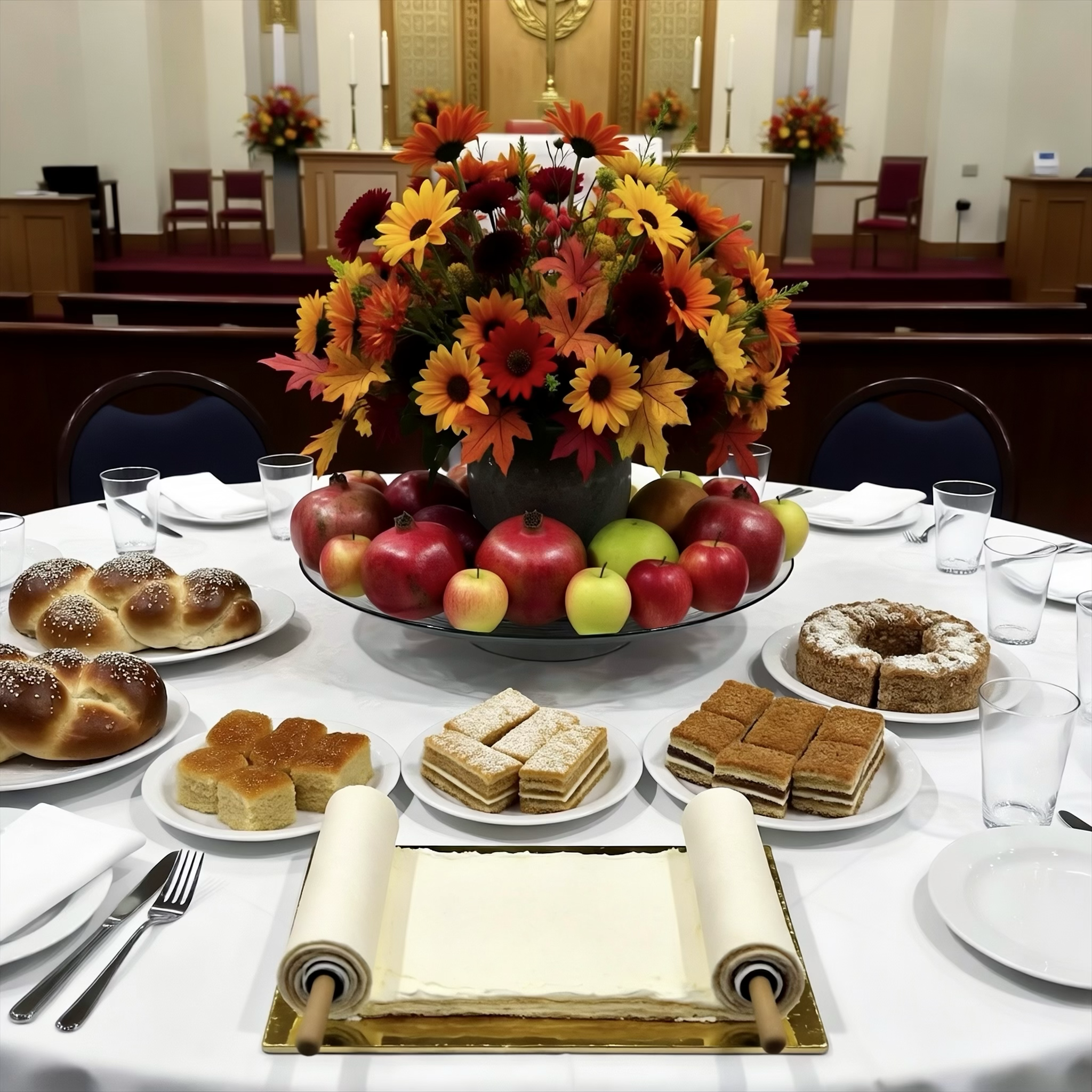
Dried Dates: Cut lengthwise, remove pit. If you see dark crumbs near the pit - worm droppings - discard. Hold open date against light and check inside and outside for insects. White sugar crystals in old dates are not a sign of infestation.

Fresh Dates: Large dates sold refrigerated, smooth skin, dark brown - generally clean, no need to check.

Pomegranate: Check skin for a hole - sign of worm entry. Open and if you see a brown area, check between seeds for worm. Superficial dark spots on seeds are not infestation. Homegrown pomegranates have high infestation.

Apples: Premium quality apples are considered clean. Medium quality - check skin for worm entry sign - brown-grey wound sunken in peel - remove affected area. Sometimes 'Anna' apples have brown-grey scale insects causing red spots - remove insect with nail/knife, red spot itself is permitted. Imported apples sometimes coated with shellac - question of kashrus, should peel. Check with hechsher.

Kara (Pumpkin): Considered clean, no need to check.

Fresh Lubia (Black-eyed peas): Open pods, check if grains have nibbling or worm entry signs, remove infested grains.

Dry Lubia: 1. Boil: Boil with 3x water amount, turn off and leave covered ∼3 hours. 2. Check: Spread 10-15 grains on palm, look for dark spot under thin peel. Put other hand on top, flip and check other side. If dark spot found - peel and check for insect. Black spot on peel is natural growth, brown/orange surface spots are not infestation. If 3 definitely infested grains found - open and check all inside. If heavy infestation - do not use.

Carrot: Premium quality - considered clean.

Silka Leaves (Spinach/Beet leaves): Regular growth heavily infested, maggots inside leaf thickness that don't come off by washing. Use only special "without worms" growth under reliable hashgacha. Soak in water with little liquid soap and wash each leaf thoroughly.

Karti (Leek): Cut and remove: A. Green leaves. B. Root area (about 1 cm) at other end. C. First outer layer. Cut central white part lengthwise, separate all layers and soak in water with little soap for 2-3 minutes. Wash layer by layer under running water rubbing lightly with fingers both sides.

Red Beet: Cut into slices across, 1-1.5 cm thick, look for white worm tunnel and remove affected area. Can also slice and check after cooking.

Fish Head: Carp, Buri, Silver carp heads - use only from store under mehadrin hashgacha. Salmon head - open, remove gills, wash well and check for brown parasites 1.5-2.5 cm long (even with mehadrin hashgacha). Other fish heads - generally clean.

Honey: Considered clean.

Laws of Rosh Hashana that Falls on Shabbat

  1. Tevilah - One immerses five immersions on Erev Rosh Hashana:

    1. Have intent for purity.

    2. For rectifying anger.

    3. To sweeten the Din and Gevurah with Chassadim.

    4. To remove from himself the weekday garments, and also have intent "Tichleh Shanah V'Kileloteha".

    5. To receive the holiness of Rosh Hashana and also have intent "Tachel Shanah U'Virchoteha".

      And one who does not remember the specific intentions of the immersion, should immerse five times and have intent according to what is written in the Machzorim and in this Sefer. [Ben Ish Chai Netzavim 3] And when Rosh Hashana falls on Shabbat one should have intent to receive the added holiness of Shabbat and the holiness of Rosh Hashana.

  2. Bamah Madlikin - At Kabbalat Shabbat we do not say the chapter "Bamah Madlikin" as the Rema wrote in Siman 70, not like the Shiyarei Knesset HaGedola, since it is permitted to light on Yom Tov with those oils and wicks that Chachamim forbade for Shabbat lights.

  3. Zichron Teruah - On Shabbat one says Zichron Teruah Mikra Kodesh and if he said Yom Teruah we do not make him repeat [Shulchan Aruch Siman 582 Se'if 7, M"B S"K 19].

  4. Saying Shalom Aleichem - It is written in Shut Rav Pe'alim Part 1 [Kuntres Sod Yesharim end of Siman 13] that we do not say Shalom Aleichem and Eshet Chayil and Azamer B'Shvachin and in Shut Torat Avigdor [brought in Halacha Berura Siman 262 Birur Halacha S"K 7] he brought that it is because it embarrasses Yom Tov that the angels do not accompany him except because of Shabbat, and in Sefer Orchot Maran [Vol. 3 p. 68] he brought that this is how Moreinu HaGra"Y z"l conducted himself and so is the custom of Morocco [brought in Sefer Zocher Brit Avot p. 125].

  5. Fish - The Rashbatz wrote not to eat fish on Rosh Hashana, since we find in Scripture [Nechemia 13:16] "Da'ag" with an Aleph which is like the language of "De'agah" - worry and so it was brought in the Chida and this custom was also brought by Rabbi David Abudraham, and this is based on Sefer Tikunei HaZohar and so is the custom of Sephardim and Moroccans but when Rosh Hashana falls on Shabbat we do eat fish so wrote in Sefer Moed LeKol Chai that eating fish on Rosh Hashana specifically where it falls on Shabbat I am accustomed to eat and each one should do according to his custom see there and so is the opinion of HaGra"Y and HaNa'aM"aN z"l.

  6. Tashlich - Behold it is written in Shut Torah Lishmah Siman 145 and this is his language: even if R"H falls on Shabbat one should do the order of Tashlich and in my opinion it is even better because of the immense illumination of Minchat Shabbat when Metach HaRatzon is revealed and this revelation will help more for this matter, a thing in its time how good it is, and it is known that even where R"H falls on Shabbat this illumination of Metach HaRatzon will be revealed as customary and therefore we take out a Sefer Torah and read the verse "Va'Ani Tefilati Lecha Hashem Et Ratzon" and even though we pray in the standing Amidah of Mincha the prayer of R"H and not of Shabbat which is Ata Echad etc. there is a reason for this as explained elsewhere and nevertheless this illumination will now be revealed in Mincha with Notzer Chesed La'Alafim to sweeten 2 names of Elokim and Hashem etc. end of his words.

    Also in Ben Ish Chai [first year Parshat Netzavim letter 12] he wrote the order of Tashlich is done even if Rosh Hashana falls on Shabbat, and so it is found written in the handwriting of HaRav Mahari Antabi z"l, in the name of our teacher the Rashash z"l. And if he was forced and did not do Tashlich on the first day, he should do it on the second day after Mussaf, so I found written in Sefer Torah Lishmah handwritten.

    However in Mishna Berura [Siman 583 S"K 8] he brought the words of the Pri Megadim [Mishbetzot Zahav S"K 3] who wrote and in some places I saw, when the first day falls on Shabbat, they go on the second day to the river. And possibly because the river is outside the city, and because of carrying, that they carry books and the like, therefore they go on the second day.

    And in Shut Yabia Omer [Vol. 4 Siman 47] he wrote that the reason of the Maharil, since saying 'Tashlich' is a remembrance of the Akeida which was on Rosh Hashana, it is correct to do Tashlich even on Rosh Hashana that falls on Shabbat. And also according to the reasons that saying Tashlich is meant to awaken to Teshuva "if so also Rosh Hashana that falls on Shabbat is a day of Teshuva and supplication". And he brought from the words of Shvut Yaakov [Vol. 3 Siman 42] who wrote: "I do not know any concern of a tinge of Issur in saying Tashlich on Shabbat. And on the contrary, in the poskim it is mentioned that they go on the first day of Rosh Hashana, and zerizim makdimin lemitzvot. And from where would we say not to go there on Shabbat. And even if there is no eruv, what of it. They should not carry anything when going there, and we did not find in any posek a concern of Gezeira in this". And in his conclusion in Yabia Omer he ruled: "that in a place where there is an eruv to carry to public domain, they do the order of Tashlich on Rosh Hashana that falls on Shabbat. And in a place where there is no eruv, they should do it on the second day".

    And seemingly in a place where there is no eruv one can simply go to the river and say only the verses Mi El Kamocha etc. and say the Zohar in the synagogue or at home or even say everything at home on a bucket with water but this is instruction for a private individual but as a community Rabbi it is not worthwhile since it is hard to control this matter and there will always be someone in the congregation who might come with a siddur because he wants to be "machmir" in reading the Zohar by the river and it seems that just as they decreed regarding Shofar blowing and Lulav that it is forbidden on Shabbat lest he carry four Amot in public domain also here there is room to be concerned and in our city Highland Park New Jersey there is an eruv but there is a pier that goes outside the eruv and there they stand and therefore it is better to postpone everything to Monday or to give instruction that everyone should do it on a bucket in the synagogue because according to the Torah Lishmah it is even more select on Shabbat.

  7. Tzidkatecha - There are those who say on Shabbat Rosh Hashana Tzidkatecha and as the opinion of Maran the Shulchan Aruch in Siman 598 and so most Sephardim customarily do. And Ashkenazim do not say Tzidkatecha and as the opinion of the Rema there and there are also some Sephardim who do not say it and in Shut Pri Tzadik [Siman 2 p. 5a] to Mahari"sh Tzaror z"l he explained those who customarily do not say it opposite Maran z"l based on Rabbeinu the Rashbatz z"l since it is no less than other Roshei Chodashim, and it is a custom that spread before the instructions of Maran z"l. See there. And his student Mahari Ayash z"l upheld this in Mateh Yehuda [Siman 292 S"K 4] and in his book Beit Yehuda [Vol. 1 at the end laws and customs of K"K Arjeel p. 212]. And so wrote in Sefer Brit Moshe Calfon p. 346.

  8. What to say first Avinu Malkeinu or Tzidkatecha - Behold in Shiyarei Knesset HaGedola [Siman 442] he wrote, that according to the Shulchan Aruch that says on R"H and Yom Kippur Avinu Malkeinu, then he should say first Avinu Malkeinu and only afterwards Tzidkatecha Tzedek, since on this Shabbat Avinu Malkeinu is more frequent than Tzidkatecha Tzedek, because we say Avinu Malkeinu also in Shacharit and also in Mincha, however in Birkei Yosef [Siman 443] he argues on this, and holds that since Tzidkatecha Tzedek is more frequent throughout the year, then we say it before Avinu Malkeinu, even though on this day Avinu Malkeinu is more frequent, and he proved this from an explicit Gemara [Sukka 56a] that is explained there, that we bless Shehechiyanu before the blessing of Leshev BaSukka since it is more frequent, and this is despite that on the holiday of Sukkot itself the blessing of Leshev BaSukka is more frequent, end of his words and the Kaf HaChaim ruled to say first Avinu Malkeinu and afterwards Tzidkatecha.

  9. To fast until Chatzot - Although on every Shabbat and Yom Tov it is forbidden to fast until Chatzot, nevertheless on Rosh Hashana it is permitted to extend the prayer and fast until Chatzot, since we stand to ask for our souls, [Ateret Zekenim brought in M"B Siman 597 S"K 2] except for Rosh Hashana that falls on Shabbat that one should not extend after Chatzot [Siman 584 M"B S"K 5] and since he does not know if they will extend more than Chatzot time the Alef HaMagen [Siman 597 S"K 2] wrote that it is correct to drink before the prayer water or tea or coffee without sugar and milk and there are those who permit with sugar and milk.

  10. Seuda Shlishit - Behold lechatchila it is worthwhile to eat Seuda Shlishit after Mincha prayer and this for two reasons: A. Since the time of prayer arrived it is forbidden to start a meal until he prays [Rema Siman 291 Seif 2 and Mishna Berura there] B. According to Kabbalah, every meal is preceded by its relevant prayer [Aruch HaShulchan there Seif 4 see there and according to Rabbeinu the Ari in this, it seems that if he did it before Mincha prayer – he did not fulfill even b'dieved] and therefore it is very worthwhile to pray Mincha early on Rosh Hashana and after the prayer to eat immediately Seuda Shlishit and thus he will eat the meal early and enter the second Yom Tov when he has appetite, and lechatchila one should not eat Seuda Shlishit in the last three hours of the day, and there are those who hold he can eat lechatchila in the last three hours of the day because there are those who hold Seuda Shlishit is de'oraita [so is implied from Sefer HaYere'im (Mitzva 92) and the Levush (291,1) and the Ta"z (678 S"K 2 and in Zohar (Haazinu 288:) he elaborated greatly on the importance of Seuda Shlishit that although lehalacha we rule like most Rishonim who hold it is derabanan this meal will push off the meal of Rosh Hashana on the second day which according to all opinions is derabanan.

    And there are those who wrote a good advice to split the second meal into two parts. That if they are accustomed to serve two courses in the second meal, they should eat first only one course, and bless Birkat Hamazon. Afterwards they should make a break of about an hour, and at least half an hour, and learn Torah then, and it will be a good sign for the whole year. And after the break they should again wash hands with a bracha and bless 'Hamotzi' on bread, and eat the second course and thereby fulfill Seuda Shlishit [see Shulchan Aruch 291,3]. And thus they can also eat the meal of the second night of Rosh Hashana with appetite, but this is a less good advice because he still did not pray Mincha but if he makes a break between the meals via Mincha prayer and then eats Seuda Shlishit this is the best advice as mentioned.

    There are those who were lenient to fulfill the obligation of Seuda Shlishit with minei targima or fruits and so wrote in Seder HaYom who wrote that even lechatchila one should not eat Seuda Shlishit with bread on this day because of honor of second Yom Tov of R"H however lehalacha they rejected his words and wrote that on the contrary one should be careful in Aseret Yemei Teshuva to eat specifically bread as Chazal taught about the virtues of eating three meals on Shabbat, that one who is careful in this matter "is saved from three punishments from the pangs of Mashiach and from judgment of Gehinom and from the war of Gog and Magog". And it is written in Shulchan Aruch Siman 291 Seif 1 that a person should be very careful to fulfill Seuda Shlishit.[Mekiri]

  11. Sleep - Behold the Mishna Berura in Siman 584 brought from the Ari z"l, that on Rosh Hashana after Chatzot it is permitted to sleep, since the angel already was aroused by prayers and Tekiot. Therefore there is a question, since on Shabbat there are no Tekiot if so it would be forbidden to sleep on the first Rosh Hashana that falls on Shabbat the whole day and it can be answered according to those who say that Shabbat comes in place of Tekiot if so Shabbat does the same action or according to the opinion that there is no prosecution at all on Shabbat, and therefore for one who is used to sleeping on Shabbat [as the Rema wrote Siman 290] it is permitted to sleep after Chatzot and I saw that HaGra"N Karelitz wrote so brought in the Dirshu edition and they also brought that HaGra"Ch Kanievsky holds one should not sleep on Shabbat because of this see there however in Sefer Aryeh Yis'ag p. 595 in the name of HaGra"Ch Kanievsky that perhaps it is permitted see there.

  12. Yud-Gimmel Middot - Behold there is a great machloket if at all one says Yud Gimmel Middot on Yom Tov, there are those who say that it is correct not to say Yud Gimmel Middot at opening of the Heichal on Rosh Hashana and on every Yom Tov, there are those who say there is an Issur in the matter [Shaar HaKavanot, Rabbi Shmuel Vital, Zivchei Tzedek, Rabbi Eliyahu Mani, Maaseh Nissim and others] on the other hand there are those who say there is no problem in this [Shut Torah Lishmah 45 and see Yabia Omer Vol. 5 Siman 7] and when Rosh Hashana falls on Shabbat the Mateh Asher section 16 writes not to say, and it seems that a community that has no custom in this should not say Yud Gimmel Middot as it is like a double doubt - perhaps one does not say at all and perhaps one does not say on Shabbat.

  13. Yaknehaz - In the Gemara sugya in Masechet Pesachim 102b the Amoraim argued what is the order of Kiddush and Havdalah on Yom Tov that falls on Motza'ei Shabbat, and lehalacha we rule like the opinion of Rava that the order is: Yaknehaz [Yayin – blessing of Borei Pri HaGafen, Kiddush, Ner, Havdalah – blessing of Hamavdil Bein Kodesh LeKodesh, Zman – Shehechiyanu]. In the words of Rashi and Rashbam it is explained that the reason we precede Kiddush to Havdalah is because if he would precede Havdalah first "it would appear as if the holiness of Shabbat is like a burden upon him". And one should say Yaknehaz standing [M"B 473 S"K 3].

    Our Rishonim argued why we do not bless on Besamim in this Havdalah as on every Motza'ei Shabbat. The Rashbam [102b s.v. VeShmuel] wrote that also on Yom Tov we have Neshama Yeteira like on Shabbat, and therefore there is no need to bless Besamim. And Tosafot [there s.v. Rav] asked on him "and it is difficult, if so, on Motza'ei Yom Tov why did they not institute Besamim", and explained that we do not bless Besamim on Motza'ei Shabbat that falls on Yom Tov "because Simchat Yom Tov and eating and drinking helps like Besamim".

    May it be His will that we all merit a good and sweet year, Ketiva and Chatima Tova, a year of Geulah and Yeshua, health and Nachat for all of Beit Yisrael.

Rabbi Eliyahu Tal

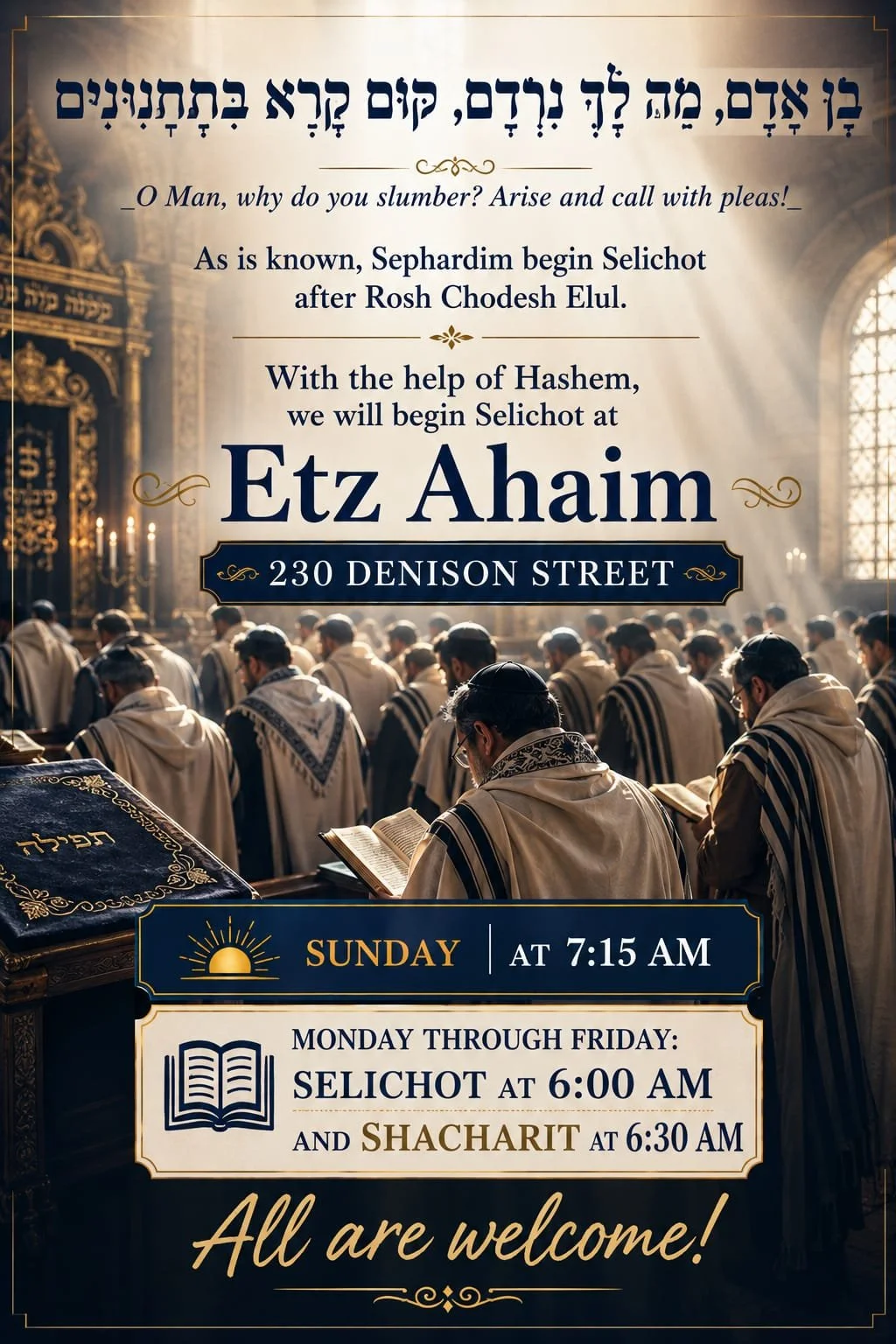
Congregation Etz Ahaim's High Holiday Schedule

Erev Rosh Hashanah — Friday, September 11

  • Selichot and Shacharit: 6:00am
  • Hatarat Nedarim: 7:10am
  • Mincha and Arvit: 6:50pm
  • Candle Lighting: 6:55pm

First Day Rosh Hashanah — Shabbat, September 12

Youth Program (Ages 3 to 8): 10:00am - 1:00pm

  • Shacharit Korbanot: 8:30am / Hodu: 8:45am
    • No Shofar Blowing on Shabbat
  • Mincha and Arvit: 6:50pm
  • Candle Lighting: After 7:43pm (from existing flame)

Second Day Rosh Hashanah — Sunday, September 13

Youth Program (Ages 3 to 8): 10:00am - 1:00pm

  • Shacharit Korbanot: 8:30am / Hodu: 8:45 AM
    • Shofar: 11:30am
  • Tashlich (Donaldson Park Boat Ramp): 5:20pm
  • Makeup Shofar Blowing: 6:30pm
  • Mincha and Arvit: 6:50pm
  • Rosh Hashanah Ends / Havdalah: 7:40pm

Fast of Gedaliah — Monday, September 14

  • Fast Begins: 5:15am
  • Selichot and Shacharit: 5:55am
  • Mincha and Arvit: 6:45pm
  • Fast Ends: 7:38pm

Yom Kippur Evening — Sunday, September 20

  • Selichot and Shacharit: 7:15am
  • Hatarat Nedarim: 8:50am
  • Mincha: 2:00pm
  • Fast Starts and Candle Lighting: 6:39pm
  • Lecha Eli - Kol Nidre: 6:50pm

Yom Kippur Day — Monday, September 21

Youth Program (Ages 3 to 8): 10:30am - 1:30pm

  • Shacharit - Akeidat Yitzchak: 8:30am / Hodu: 8:45 AM
    • Sermon: 11:45am
    • Yizkor: 12:30pm
  • Mincha: 4:40pm
  • Ne'ilah: 6:25pm
  • Shofar Followed by Arvit: 7:37pm
  • Fast Ends: 7:37pm

Erev Sukkot — Friday, September 25

  • Shacharit: 6:30am
  • Mincha and Arvit: 6:30pm
  • Candle Lighting: 6:31pm

First Day of Sukkot — Shabbat, September 26

  • Shacharit: 8:45am
  • Followed by Kiddush in the Sukkah Sponsored by the Daughters of Etz Ahaim
  • Mincha: TBD
  • Arvit: 7:00pm
  • Candle Lighting: After 7:18pm (from existing flame - no cooking until then)

Second Day of Sukkot — Sunday, September 27

  • Shacharit: 8:45am
  • Mincha and Arvit: 6:20pm
  • Havdalah / Festival Ends: 7:16pm

Hoshannah Rabbah Night — Thursday, October 1

  • Tikkun / Learning Program: 11:30pm

Erev Shemini Atzeret — Friday, October 2

  • Shacharit: 6:30am
  • Mincha and Arvit: 6:20pm
  • Candle Lighting: 6:20pm

Shemini Atzeret — Shabbat, October 3

  • Shacharit: 8:45am
  • Yizkor: 10:30am
  • Mincha: TBD

Simchat Torah Evening — Saturday, October 3

  • Arvit: 7:00pm - Followed by Dancing and Festivities
  • Candle Lighting: After 7:15pm

Simchat Torah — Sunday, October 4

  • Shacharit: 8:45am - Followed by Kiddush and Hakafot
  • Second Hakafot: 5:20pm
  • Mincha and Arvit: 6:20pm
  • Havdalah / Festival Ends: 7:15pm